
Yu-Gi-Oh Grading Guide: Costs and Price Expectations
Learn how yugioh grading works across Europe. Discover costs in EUR, value expectations, and secure submission through Slabbed.eu.
Contents (14)
- Understanding Yu-Gi-Oh Card Grading in Europe
- Key Condition Factors for Yu-Gi-Oh Cards
- Foil Scratching and Surface Wear
- Edge Wear and Corner Chipping
- Centering and Print Alignment
- Selecting a Grading Service via Slabbed.eu
- Costs and Market Price Expectations in EUR
- Vintage Cards (2002 to 2007)
- Modern Rarity Chases (Starlight and 25th Anniversary)
- Submission Process and Mandatory Insurance Protection
- Frequently Asked Questions
- How does yugioh grading affect modern cards compared to vintage?
- Why is grading insurance mandatory when submitting via Slabbed.eu?
- Which company is best for vintage First Edition cards?
Understanding Yu-Gi-Oh Card Grading in Europe
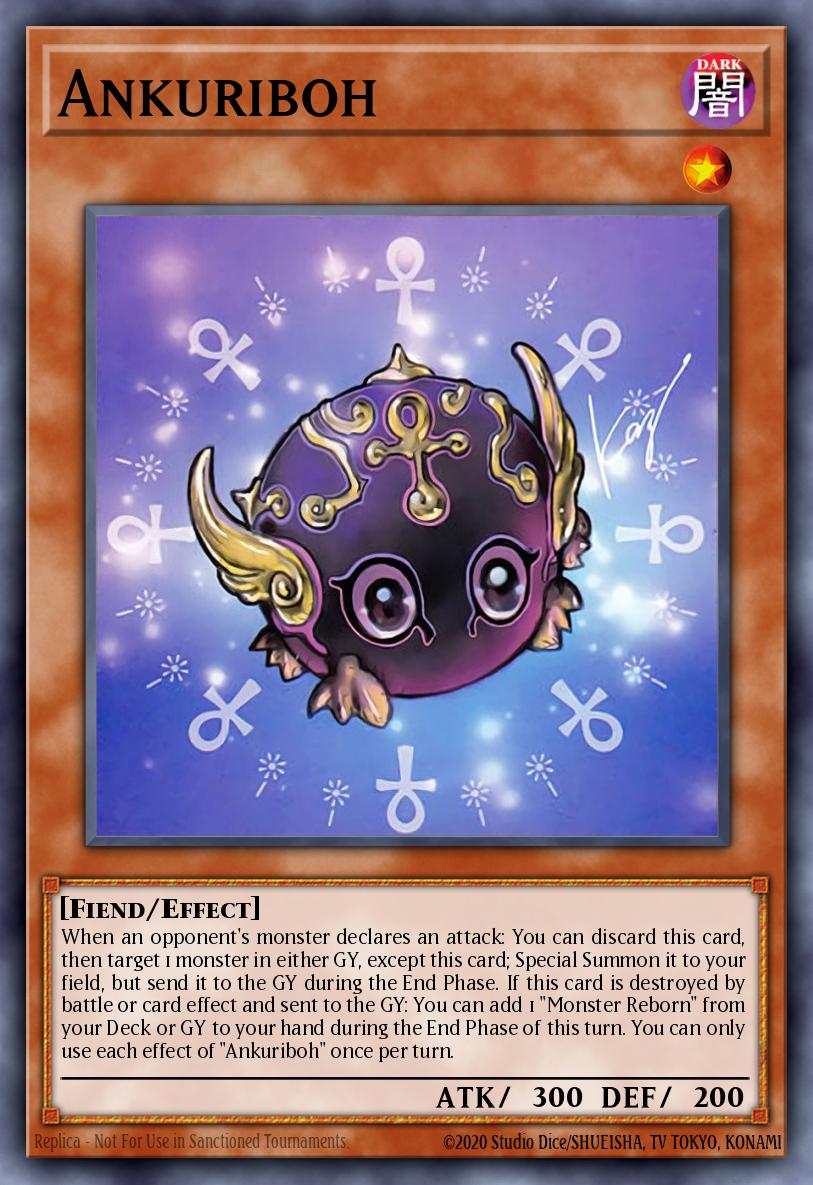
Card authentication and condition assessment have become standard practice for serious Yu-Gi-Oh collectors. Grading establishes the physical condition of a card on a standard ten-point scale, seals it in a tamper-evident protective case, and provides independent verification of authenticity.
For European collectors, yugioh grading offers a clear path to protecting rare cards and establishing transparent market values. Whether dealing with vintage 2002 Legend of Blue Eyes White Dragon prints or modern Quarter Century Secret Rares, high-grade examples consistently command substantial premiums on the secondary market.
Key Condition Factors for Yu-Gi-Oh Cards
Yu-Gi-Oh cards present distinct manufacturing characteristics that impact grading outcomes. Understanding these helps determine which cards are viable candidates for submission.
Foil Scratching and Surface Wear
Vintage Ultimate Rares and Secret Rares are notoriously prone to factory-level foil lines and micro-scratching. Graders assess surface integrity under high magnification and angled lighting. Even light play or improper sleeve storage can drop a card from a Gem Mint 10 to a Near Mint 7 or 8.
Edge Wear and Corner Chipping
Older European and North American print runs used cardstock that frayed easily along the borders. Back-border whitening is the most frequent flaw found on vintage cards. Top-tier grades demand clean, sharp corners with zero pigment loss.
Centering and Print Alignment
Yu-Gi-Oh cards feature relatively narrow borders, meaning slight shifts in printing alignment are instantly visible. While standard Gem Mint thresholds often tolerate 60/40 centering on the front, cards seeking pristine or pristine-subgrade designations require near-perfect 50/50 balance.
Selecting a Grading Service via Slabbed.eu
Slabbed.eu acts as an intermediary, managing the complete grading cycle for collectors across Europe. You ship your raw cards domestically within the EU to Slabbed.eu, which oversees the authentication, logistics, and return through reputable authentication firms:
- PSA (Professional Sports Authenticator): The industry standard for vintage Yu-Gi-Oh liquidity. High-grade PSA slabs attract the highest volume of buyers across the European market.
- BGS (Beckett Grading Services): Favoured for vintage cards when chasing the prestigious Pristine 10 or Black Label. Beckett subgrades offer granular condition breakdowns.
- CGC Cards: Rapidly growing in the trading card game community, CGC is valued for crisp crystal-clear holders and strict surface scrutiny on modern foil cards.
- TAG (Technical Authentication & Grading): Uses purely automated digital mapping to grade cards, generating detailed digital reports with zero human subjectivity.
Costs and Market Price Expectations in EUR
Grading costs depend on the turnaround tier and declared value of the card. Through Slabbed.eu, submission tiers generally range from roughly €20 to €150 per card, depending on the grading company, declared value, and target turnaround speed.
Value premiums after grading vary considerably based on era and scarcity:
Vintage Cards (2002 to 2007)
Early First Edition holos show the sharpest price increases when graded:
- Raw Near Mint: A 1st Edition vintage ultra rare might trade between €50 and €200.
- Grade 8 or 9: Values often double or triple to €150 - €500.
- Grade 10: True Gem Mint copies regularly command €1,000 to €5,000+ depending on the exact card and print run.
Modern Rarity Chases (Starlight and 25th Anniversary)
Modern sets offer high-end rarities such as Starlight Rares and Quarter Century Secret Rares:
- Raw Copy: Typically sells for €100 to €400 depending on competitive play and collectibility.
- Grade 9: Frequently trades close to raw market price (€120 to €420), as modern pack-fresh standards are high.
- Grade 10: Typically commands a 50% to 120% premium over raw prices, reaching €250 to €900.
Submission Process and Mandatory Insurance Protection
Using Slabbed.eu simplifies grading logistics for European residents. You prepare your cards in penny sleeves and semi-rigid holders, securely package them, and post them to Slabbed.eu using a tracked parcel service.
Grading insurance is a mandatory paid charge on all submissions. Cards are not insured while with Slabbed or in onward transit until this mandatory insurance is paid. Standard delivery carrier terms provide basic loss liability limits for general parcels, but this carrier liability does not constitute insurance coverage. By securing mandatory grading insurance, your cards are fully covered against loss or damage throughout storage, international handling, grading, and final tracked delivery back to your address.
Once the grading partner finishes processing, cards are safely returned to Slabbed.eu, checked, repackaged, and dispatched back to your doorstep anywhere in Europe with full tracking.
Frequently Asked Questions
How does yugioh grading affect modern cards compared to vintage?
Modern cards are expected to come out of packs in near-mint condition, so a grade of 9 often matches the raw market price. Real value gains for modern cards occur almost exclusively at Grade 10. For vintage cards, even an 8 or 9 represents a significant premium over raw condition.
Why is grading insurance mandatory when submitting via Slabbed.eu?
Grading insurance is a mandatory paid charge to ensure that cards have complete financial protection. Cards are not insured while in the possession of Slabbed or during transit until this fee is settled, as postal carrier liability limits are insufficient for collectables.
Which company is best for vintage First Edition cards?
PSA and BGS remain the preferred choices for vintage Yu-Gi-Oh. PSA offers unmatched liquidity and collector demand across Europe, while BGS is preferred by collectors targeting subgrades and Pristine 10 copies.
Look up your card's value
Search current asking prices for the exact card, set and grade.