
YuGiOh Grading Guide: Which Cards Are Worth Submitting?
Discover which cards justify Yugioh grading. Learn how vintage sets, Ghost Rares, and high-end modern cards yield value for European collectors.
Contents (12)
- YuGiOh Grading: Which Cards Are Worth Submitting?
- High-Priority Vintage Releases
- 1st Edition Classic Sets
- Classic Video Game and Tournament Promos
- High-End Modern Rarities
- Assessing Condition Before Submission
- Submitting Cards Through Slabbed.eu
- Grading Insurance
- Frequently Asked Questions
- What is the minimum raw value a card should have before grading?
- Why do European prints sometimes grade lower on corners?
- Which grading service should I pick for Yu-Gi-Oh!?
YuGiOh Grading: Which Cards Are Worth Submitting?
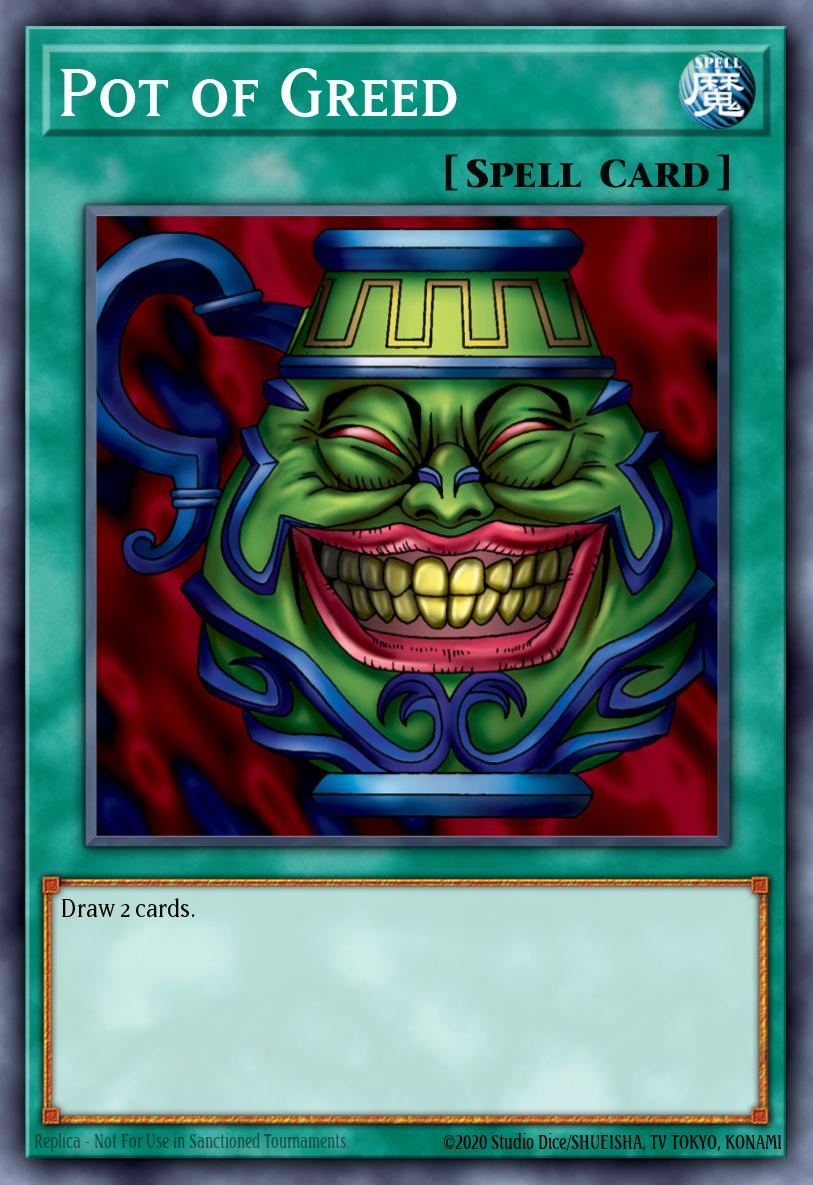
Grading Yu-Gi-Oh! cards requires a measured approach. Unlike some trading card games where almost every alternate art or secret rare card commands an immediate premium, the Yu-Gi-Oh! market is heavily driven by condition, print rarity, and nostalgia. Submitting the wrong card can leave you with a slab worth less than the grading fee and raw card value combined.
To make informed decisions, European collectors must understand which categories consistently hold value, how European print characteristics influence final grades, and how to calculate realistic margins before sending cards in.
High-Priority Vintage Releases
Vintage Yu-Gi-Oh! cards from the classic era represent the most stable segment of the graded market. Demand centres primarily on early sets released between 2002 and 2005.
1st Edition Classic Sets
Cards from early booster sets such as Legend of Blue Eyes White Dragon (LOB), Metal Raiders (MRD), Magic Ruler (MRL), and Pharaoh's Servant (PSV) carry significant premiums in high grades. A raw 1st Edition LOB Blue-Eyes White Dragon in near mint condition might trade for 800 EUR to 1,200 EUR, but a confirmed PSA or BGS 9 can easily exceed 2,500 EUR, with gem mint 10 copies reaching five figures.
When evaluating vintage cards, verify whether the card is 1st Edition or Unlimited. While Unlimited printings of iconic monsters still retain value in a grade 9 or 10, lower grades (7 or 8) often fail to cover grading costs unless the card is an iconic cover monster like Dark Magician, Red-Eyes Black Dragon, or Exodia.
Classic Video Game and Tournament Promos
Early promotional cards are notoriously difficult to find in pristine condition because they were distributed in video game cases or loose plastic wrappers. Promos like Harpie's Feather Duster (SDD-003) or Dark Duel Stories Secret Rares (DDS) are prime candidates for submission even in mid-tier condition (grades 7 to 8), as authentic copies remain scarce across Europe.
High-End Modern Rarities
Modern Yu-Gi-Oh! sets produce millions of cards, meaning regular Secret Rares and Ultra Rares rarely justify submission fees unless they become long-term competitive staples with timeless artwork. However, specific premium rarities consistently attract graded collectors.
- Ultimate Rares: Mid-era (GX and 5D's) Ultimate Rares from core booster boxes, alongside Official Tournament Store (OTS) Ultimate Rares, command strong prices in gem mint grades. The textured foil on older Ultimate Rares makes them prone to surface pressure marks, making 9s and 10s rare.
- Ghost Rares: Highly susceptible to factory foil scratching and print lines. A Ghost Rare Stardust Dragon or Black Rose Dragon in high grade commands a severe premium precisely because so few survived pack openings without damage.
- Starlight Rares and Quarter Century Secret Rares (QCSE): Modern flagship rarities introduced to commemorate set milestones. Raw Starlight Rares like Effect Veiler or Apollousa routinely trade above 300 EUR. When graded a 10, their prices can easily double or triple.
Assessing Condition Before Submission
European prints of Yu-Gi-Oh! cards often feature darker, richer ink saturation compared to their North American counterparts, but they also suffer from unique factory defects. Inspect the following attributes under direct light:
1. Edge Wear and Corner Chipping: Vintage European cardstock was cut with blades that often left rough, micro-chipped edges on reverse borders straight out of the booster pack. 2. Surface Scratching: High-gloss holofoils scratch easily. Ghost Rares and classic holofoils often show light circular scratches from the packaging process. 3. Back Centering and Print Lines: Modern cards frequently suffer from horizontal roller marks across the back. Even if the front of the card looks flawless, back defects will cap a card at a grade 8 or 9.
If a modern card will not achieve at least a mint 9, grading is rarely economical. Vintage holos, however, can remain viable down to a grade 7 if they are rare 1st Edition cards.
Submitting Cards Through Slabbed.eu
Slabbed.eu acts as your European grading intermediary for leading grading services including PSA, BGS, CGC, and TAG. We handle the intake, administrative submission paperwork, packaging preparation, and secure return delivery with tracking to your doorstep anywhere in Europe.
To submit, prepare your cards in clean penny sleeves and semi-rigid holders. Once we receive your submission, our team catalogs each card and prepares it for dispatch to your chosen grading company.
Grading Insurance
Please note that grading insurance is an optional, paid add-on service. Cards are not insured while in the care of Slabbed.eu or during onward transit unless you explicitly select and purchase insurance coverage at checkout. Standard carrier liability does not constitute insurance coverage, so we strongly recommend purchasing dedicated transit insurance for high-value items.
Frequently Asked Questions
What is the minimum raw value a card should have before grading?
As a general rule, a modern card should be worth at least 40 EUR to 50 EUR in raw condition to justify grading costs, return transit, and insurance fees. Vintage 1st Edition holos are the exception, as even damaged or played copies of top-tier vintage cards can benefit from authentication.
Why do European prints sometimes grade lower on corners?
Older European print runs used different cutting dies than North American factories, which frequently resulted in minor edge fraying or corner burrs right out of the pack. Thoroughly pre-screening the reverse edges of your cards is essential.
Which grading service should I pick for Yu-Gi-Oh!?
PSA remains the industry leader for Yu-Gi-Oh! in terms of resale liquidity and market volume. BGS is favoured for high-end vintage cards where a pristine quad-subgrade Pristine 10 can demand massive market premiums. CGC and TAG are also gaining traction for specific collections and high-detail digital grading reports.
Look up your card's value
Search current asking prices for the exact card, set and grade.