
Prepare Card for Grading: A European Collector's Guide
Learn how to meticulously prepare your trading cards for professional grading with PSA, BGS, CGC, or TAG. Maximise your grade and protect your investment.
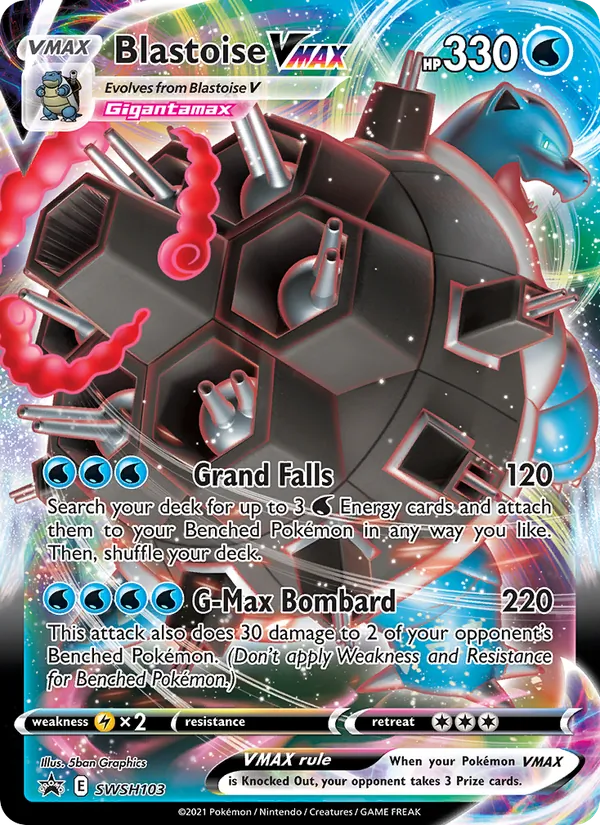
As a European trading card collector, whether you are aiming for a high grade to increase value or simply to preserve a cherished item, the preparation of your card before submission is paramount. Skipping crucial steps can lead to lower grades, disappointment, and wasted submission fees. This guide will walk you through the essential process of preparing your cards for professional grading services like PSA, BGS, CGC, and TAG, covering everything from initial inspection to secure packaging.
Why Card Preparation is Crucial
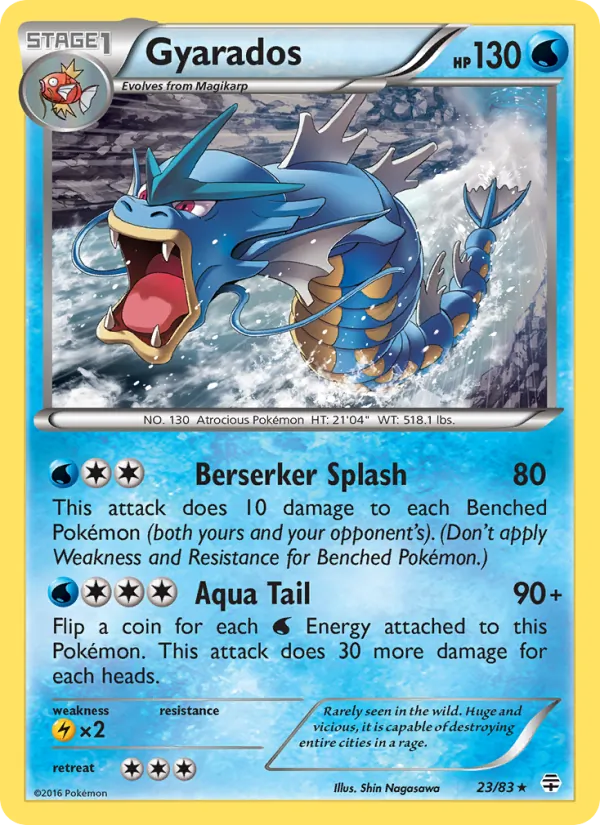
Professional grading services evaluate cards based on four primary criteria: centering, corners, edges, and surface. Even minor imperfections introduced during handling or storage can significantly impact your final grade. A card that could have achieved a PSA 10 or BGS Black Label might instead return a 9 or 9.5 due to a fingerprint, a stray fibre, or a small scratch. Taking the time to properly prepare your card minimises these risks, protecting your investment and increasing the likelihood of a desirable grade.
Essential Tools and Materials
Before you begin, gather the following items. Investing in quality supplies is a small cost compared to the potential loss from a damaged card.
- Microfibre Cloths: Specifically designed for lenses or screens, these are lint-free and gentle. Do not use standard cleaning cloths or paper towels.
- Compressed Air or Blower: For removing dust and debris without touching the card's surface. Avoid using your breath, as it can leave moisture.
- Jeweller's Loupe or Magnifying Glass (10x magnification): Essential for detecting minor imperfections invisible to the naked eye.
- Soft, Clean Gloves: Cotton or nitrile gloves prevent skin oils and fingerprints from transferring to the card.
- Penny Sleeves (Soft Sleeves): High-quality, acid-free sleeves that fit snugly without creasing the card.
- Toploaders or Card Savers: Rigid plastic holders offering robust protection. Card Savers are often preferred by PSA, while Toploaders are suitable for BGS, CGC, and TAG.
- Team Bags or Graded Card Sleeves: Sealable bags to add an extra layer of protection around your toploader or card saver.
- Small, Clean Workspace: A well-lit, dust-free area, preferably with a dark surface to highlight any imperfections.
Step-by-Step Card Preparation

1. Initial Inspection and Assessment
Before any physical cleaning, conduct a thorough visual inspection under good lighting. Use your loupe or magnifying glass to examine the four grading criteria:
- Centering: Check the borders on the front and back. Are they even? Minor discrepancies might be acceptable for a high grade, but significant offset will impact it.
- Corners: Look for any dings, fraying, or soft corners. Even a slight touch can cause damage.
- Edges: Inspect all four edges for whitening, nicks, or uneven cuts.
- Surface: This is where cleanliness is paramount. Look for scratches, print lines, dimples, indentations, smudges, or embedded fibres.
During this stage, decide if the card is even worth grading. If you find significant damage, grading might not be financially viable, especially considering submission fees (which can range from €20 to over €150 per card depending on service level and declared value). For guidance on grading suitability, Slabbed.eu offers resources and expertise.
2. Cleaning the Card's Surface
This is the most delicate step. Always wear clean gloves.
- Dust Removal: Use compressed air or a blower to gently dislodge any loose dust or debris from both sides of the card. Hold the can upright to prevent propellant discharge.
- Surface Wiping: With a clean microfibre cloth, very gently wipe the card's surface. Do this with extremely light pressure, moving in a single, consistent direction (e.g., top to bottom). The goal is to remove smudges or very minor surface dirt without introducing scratches. Do not rub aggressively. Avoid using any liquids or chemicals, as these can severely damage the card.
A note on 'card doctoring': Intentional alteration of a card to improve its appearance (e.g., using erasers on whitening, trimming edges) is considered 'doctoring' and is strictly prohibited by all grading companies. Cards found to be altered will receive an 'Authentic Altered' grade or similar, significantly diminishing their value and integrity. Stick to surface cleaning and dust removal only.
3. Placing the Card in a Sleeve
Once meticulously cleaned, the card must be immediately protected.
- Penny Sleeve: Gently slide the card into a fresh, high-quality penny sleeve. Be careful not to bend the card or catch its corners on the sleeve's edges. Ensure it is fully seated.
4. Protecting with a Toploader or Card Saver
This rigid protection is crucial for transit.
- Toploader: If using a toploader, carefully slide the penny-sleeved card into it. Ensure it goes in smoothly without resistance. You may need to slightly guide the sleeve into the toploader opening.
- Card Saver I (for PSA): PSA often prefers Card Savers. These are flexible but rigid. Place the penny-sleeved card into the Card Saver, ensuring it sits flat.
5. Sealing with a Team Bag
For an extra layer of protection against dust and moisture, and to prevent the card from slipping out of the toploader/card saver:
- Place the toploader/card saver with the card inside a team bag and seal it. This also helps secure any submission forms or tags that might be placed with the card.
Packaging for Submission
Once your cards are perfectly prepared and protected, they need to be securely packaged for shipping to a grading intermediary like Slabbed.eu or directly to the grading company. We at Slabbed.eu recommend:
- Bubble Wrap: Wrap each individually protected card in a layer of bubble wrap, or bundle several cards together if they are equally protected.
- Sturdy Box: Use a new, appropriately sized cardboard box. Avoid flimsy boxes or padded envelopes for valuable submissions. Ensure there is minimal empty space inside the box to prevent shifting.
- Void Fill: Use packing peanuts, crumpled paper, or more bubble wrap to fill any remaining gaps in the box, ensuring the cards cannot move around during transit.
- Taping: Seal the box securely with strong packing tape, especially along all seams.
Slabbed.eu: Your European Grading Intermediary
Navigating international shipping, customs, and direct submission processes to grading companies in the USA can be complex and costly for European collectors. Slabbed.eu simplifies this by acting as your trusted intermediary.
We provide a streamlined service: you send your carefully prepared cards to our secure facility in Europe. We then handle the consolidated, insured shipping to PSA, BGS, CGC, or TAG. Once graded, the cards are returned to us, and we manage the insured return shipping directly to you, anywhere in Europe. This saves you significant costs on shipping and customs, typically ranging from €30 to €100+ per individual shipment compared to direct submissions, not to mention the peace of mind regarding insurance and handling. We offer various service levels to match your needs and declared card values.
By following these meticulous preparation steps and utilising a reliable intermediary like Slabbed.eu, you significantly enhance your chances of achieving optimal grades and safeguarding your valuable collection.
Frequently Asked Questions
Q: Can I use household cleaning products to clean my cards?
A: No, absolutely not. Household cleaning products contain chemicals that can permanently damage the card's surface, ink, or finish, leading to a much lower grade or even disqualification. Only use a clean, dry microfibre cloth and compressed air.
Q: What's the difference between a penny sleeve and a toploader?
A: A penny sleeve is a thin, flexible plastic sleeve that offers basic protection against surface scratches and dust. A toploader is a rigid plastic holder that provides much stronger physical protection against bending, creasing, and impacts. Always use a penny sleeve inside a toploader.
Q: How much does grading typically cost through an intermediary like Slabbed.eu?
A: The cost varies significantly based on the grading company (PSA, BGS, CGC, TAG), the service level chosen (which depends on the card's declared value and desired turnaround time), and the number of cards submitted. As an intermediary, Slabbed.eu adds a small service fee to cover our handling, insured bulk shipping, and customs management. For example, a standard PSA submission might range from €25 to €60 per card, all-inclusive, but please check our website for the most current pricing as rates fluctuate.
Q: Should I try to fix minor imperfections myself?
A: No. Any attempt to 'fix' or alter a card, such as using an eraser on whitening, pressing out dents, or trimming edges, is considered 'card doctoring' by grading companies. This will result in an 'Authentic Altered' grade or similar, which severely devalues the card. Stick to gentle surface cleaning only.
Kom i gang med Slabbed.eu
Danmarks dedikerede shop for Pokémon TCG og grading mellemmand-service til PSA, BGS, CGC og TAG.