
Is Grading Pokemon Cards Worth It? A Break-Even Analysis
Understand if grading your Pokemon cards is a worthwhile investment. This guide covers costs, potential value increases, and practical break-even calculations for European collectors.

Contents (15)
- Understanding the Benefits of Grading
- The Costs Involved in Grading Pokemon Cards
- 1. Grading Service Fees
- 2. Shipping Costs (To and From Grader)
- 3. Customs Duties and VAT
- 4. Preparation Costs (Optional but Recommended)
- Performing a Break-Even Calculation
- When is Grading Most Worthwhile?
- Slabbed.eu: Your European Grading Intermediary
- Conclusion
- FAQ
- Q: Which grading company should I choose?
- Q: Can Slabbed.eu help if I'm not sure about my card's condition?
- Q: How long does the grading process usually take with Slabbed.eu?
- Q: Is it always financially beneficial to grade a card?
Is Grading Pokemon Cards Worth It? A Break-Even Analysis for European Collectors
For many European Pokemon card collectors, the decision to have their cards professionally graded is a significant one. It involves cost, time, and an understanding of the potential return on investment. This article will delve into a practical break-even calculation to help you determine if grading your Pokemon cards is a worthwhile endeavour.
Understanding the Benefits of Grading

Professional grading, typically performed by services like PSA, BGS, CGC, or TAG, offers several key advantages:
- Authentication and Condition Assessment: Graders verify the card's authenticity and assign a numerical grade (usually 1-10) based on its condition. This removes subjectivity and provides an objective standard.
- Protection: Graded cards are encapsulated in a tamper-evident, protective slab, safeguarding them from damage.
- Increased Value: High-grade cards, especially those with a grade of 9 or 10, often command significantly higher prices than their ungraded counterparts. This is particularly true for rare, vintage, or highly sought-after cards.
- Liquidity and Trust: Graded cards are generally easier to sell, as buyers trust the independent assessment of condition and authenticity. This reduces transaction friction.
However, these benefits come at a cost, which is where the break-even analysis becomes crucial.
The Costs Involved in Grading Pokemon Cards
Before calculating a break-even point, it is essential to understand all the expenses associated with the grading process. These can be broken down into several categories:
1. Grading Service Fees
Grading companies offer various service levels, primarily differentiated by turnaround time and the declared value of the card. Prices fluctuate but typically range from EUR 20 to EUR 200+ per card. Higher declared value tiers or faster services incur greater costs.
2. Shipping Costs (To and From Grader)
This is a significant factor for European collectors. Shipping cards securely and insured across international borders to grading companies in the US or UK can be expensive. Slabbed.eu acts as an intermediary, streamlining this process by consolidating submissions from across Europe. Collectors can send their cards to Slabbed.eu, who then handle the secure, insured submission to the chosen grading company and the return shipment back to the collector. This often results in more economical and safer shipping than individual submissions.
3. Customs Duties and VAT
When cards are shipped internationally, especially from outside the EU, customs duties and Value Added Tax (VAT) may apply upon re-entry into Europe. Slabbed.eu handles these complexities, ensuring a smooth process without unexpected charges for the end collector. This is a critical advantage for European collectors.
4. Preparation Costs (Optional but Recommended)
This includes expenses for card savers, penny sleeves, and potentially professional cleaning or authentication services if you are unsure about a card's condition or authenticity before submission.
Example Cost Breakdown (Estimate for a mid-tier card via an intermediary like Slabbed.eu):
- Grading Fee (e.g., PSA Economy/Regular): EUR 30 - EUR 50
- Intermediary Service Fee (Slabbed.eu, covering logistics, insured shipping, customs): EUR 10 - EUR 20 per card (this can vary based on quantity and service chosen)
- Materials (sleeves, card savers): EUR 1
Total Estimated Cost per Card: EUR 41 - EUR 71
Performing a Break-Even Calculation
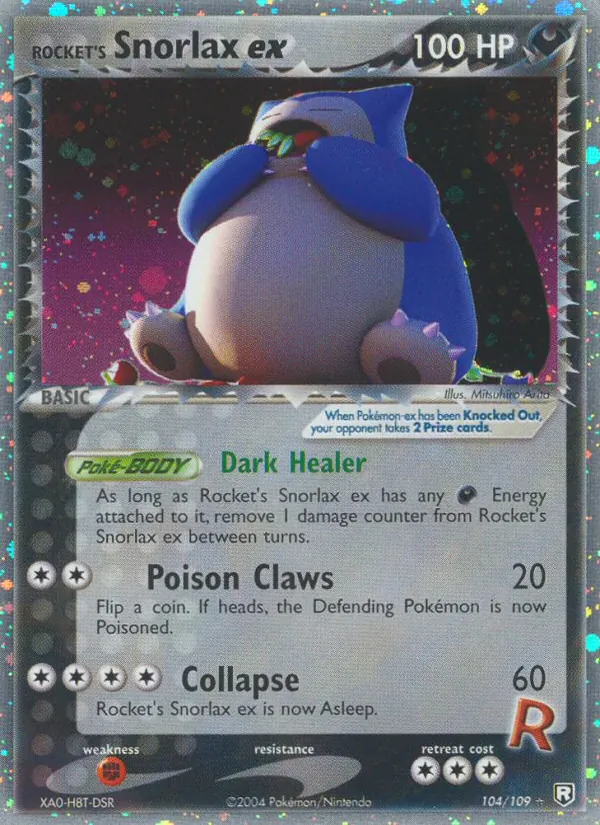
The goal of a break-even analysis is to determine how much the value of your card must increase post-grading to simply recover all your grading-related expenses.
Formula:
Break-Even Price = Current Ungraded Market Value + Total Grading Costs
However, a more practical approach involves understanding the percentage increase required.
Steps:
1. Determine Current Ungraded Market Value (CUMV): Research recent sales of your specific card in similar ungraded condition on platforms like eBay, CardMarket, or other reputable collector sites. Be realistic, assuming a condition consistent with what you expect to be graded, perhaps a 'near mint' equivalent. 2. Calculate Total Grading Costs (TGC): Sum up all fees outlined above, including grading, shipping, intermediary services, and potential customs/VAT if not handled by an intermediary. 3. Estimate Potential Graded Market Value (PGMV): This is the most speculative part. Research sales of your card at various grades (especially 9 and 10) to understand the value uplift. This requires careful consideration of the actual grade you anticipate achieving.
Example Scenario:
Let's consider a popular Pokemon card, for instance, a Charizard VMAX from Darkness Ablaze, currently worth EUR 50 ungraded in near mint condition.
- CUMV: EUR 50
- TGC: EUR 60 (Using the higher end of our previous estimate for a single card submission including intermediary fees)
Break-Even Point (Monetary Value): EUR 50 (CUMV) + EUR 60 (TGC) = EUR 110
This means that for you to simply break even, your graded Charizard VMAX must sell for at least EUR 110. If the card grades a PSA 9 and typically sells for EUR 120, then grading it was marginally worthwhile. If it grades a PSA 10 and sells for EUR 200, it was very worthwhile.
The Critical Factor: Grade Achieved
The entire calculation hinges on the grade your card receives. A low grade (e.g., PSA 7 or lower) often results in a graded card being worth less than or only marginally more than its ungraded counterpart, especially for modern cards. The significant value increase usually occurs at grades 9 and 10.
Therefore, rigorous self-assessment of your card's condition is paramount before submission. Look for:
- Centring: Is the artwork perfectly centred on the card?
- Corners: Are all four corners sharp and without whitening or bending?
- Edges: Are the edges clean and free from wear, nicks, or chipping?
- Surface: Is the surface free of scratches, print lines, dents, or smudges?
If your card has noticeable flaws in any of these areas, it is unlikely to achieve a high grade, making grading a less financially sound decision.
When is Grading Most Worthwhile?
Grading is generally most worthwhile for:
- Rare and Vintage Cards: First Edition, Shadowless, or highly iconic cards from early sets see substantial value increases even at mid-to-high grades.
- Popular or Iconic Cards: Charizards, high-rarity Trainers, or specific sought-after chase cards from modern sets. Even modern 'grails' can see significant bumps.
- Cards in Pristine Condition: If you are confident your card can achieve a 9 or 10, the probability of a positive return is much higher.
- Personal Collection: Beyond financial returns, grading protects cherished cards and provides a sense of prestige. The 'worth' here extends beyond monetary value.
Slabbed.eu: Your European Grading Intermediary

Slabbed.eu simplifies the grading process for European collectors. Instead of navigating complex international shipping, customs, and payment procedures with individual grading companies, you can send your cards to Slabbed.eu. They consolidate submissions, handle secure, insured shipping to the grading companies (PSA, BGS, CGC, TAG), manage all import/export paperwork and duties, and return your slabbed cards directly to you anywhere in Europe. This professional service saves you time, reduces risk, and often results in more predictable and competitive overall costs.
Conclusion
Is grading Pokemon cards worth it? For many, yes, especially when dealing with high-value cards in pristine condition. However, it requires careful consideration of all costs and a realistic assessment of your card's potential grade. By performing a thorough break-even calculation and utilising services like Slabbed.eu to mitigate logistical challenges, European collectors can make informed decisions and maximise the value and protection of their prized Pokemon card collections.
FAQ
Q: Which grading company should I choose?
A: The choice depends on your priorities. PSA is often favoured for liquidity and market recognition, BGS for its 'sub-grades' and premium feel (especially for Black Labels), CGC for modern cards and its comprehensive reporting, and TAG for its innovative digital report and precision grading. Research which one best suits your card and goals.
Q: Can Slabbed.eu help if I'm not sure about my card's condition?
A: While Slabbed.eu does not offer pre-grading condition assessment, they can provide guidance on what graders typically look for. It is always recommended to self-assess thoroughly or seek advice from experienced collectors before submitting.
Q: How long does the grading process usually take with Slabbed.eu?
A: The total turnaround time depends on the grading service level you select and the specific grading company. Slabbed.eu aims to expedite the logistical steps, but the core grading time is dictated by the chosen grading company, ranging from a few weeks to several months for standard services.
Q: Is it always financially beneficial to grade a card?
A: No. If a card is not rare, not highly sought after, or is in poor condition, the grading costs can easily exceed any potential value increase. Always perform a break-even analysis and manage your expectations regarding the final grade.
Look up your card's value
Search current asking prices for the exact card, set and grade.