
Pokemon Card Value Check: Before Grading Assessment Guide
Learn how to accurately check your raw Pokemon card's value before grading. A practical guide for European collectors, including market insights and condition assessment.
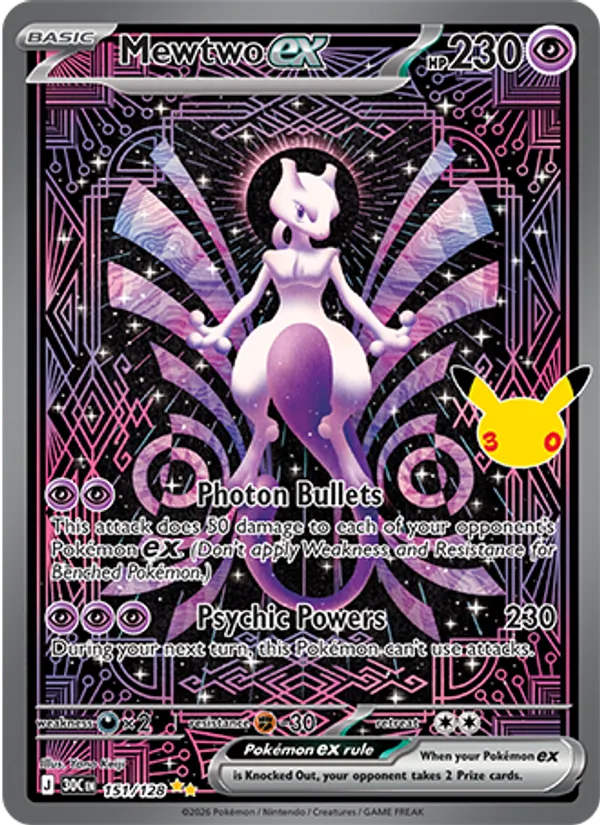
Understanding Pokemon Card Value Before Grading

Determining the value of a raw Pokemon card before submitting it for grading is a crucial step for any collector or investor. This process helps you understand potential returns, manage expectations, and decide if grading is a worthwhile investment. For collectors across Europe, accessing reliable information and tools is key. This guide will walk you through the practical steps to assess your card's potential value.
The Importance of Pre-Grading Valuation
Grading, while enhancing a card's value significantly if a high grade is achieved, also involves costs for submission, shipping, and insurance. Slabbed.eu, for instance, acts as an intermediary, handling insured shipping from anywhere in Europe to grading companies like PSA, BGS, CGC, or TAG, and back. However, these services, while providing peace of mind, still represent an expense. Therefore, accurately estimating a card's raw value helps you make an informed decision on whether the potential graded value justifies these initial outlays.
Key Factors Influencing Card Value
Several elements contribute to a Pokemon card's market value. Understanding these will form the foundation of your valuation process.
1. Rarity
Card rarity is perhaps the most significant factor. This is typically indicated by symbols at the bottom of the card:
- Common: Circle
- Uncommon: Diamond
- Rare: Star
- Holo Rare/Reverse Holo: Star with holographic pattern
- Ultra Rare/Secret Rare: Often a star or a different symbol, usually denoted by a set number higher than the total set count (e.g., 121/120).
Beyond these symbols, cards can be further categorised by their print runs, promotional status, or error variants, all of which affect rarity and thus value.
2. Condition
The physical condition of a raw card is paramount. Even a slight imperfection can drastically reduce a card's potential grade and, consequently, its value. When assessing condition, pay close attention to:
- Centring: How evenly the image is placed within the borders. Slight shifts can reduce grades.
- Corners: Look for whitening, fraying, or bends.
- Edges: Check for wear, nicks, or chipping, particularly on darker-edged cards.
- Surface: Examine for scratches, indentations, print lines, or dirt. Use a strong light source and a magnifying glass for thorough inspection.
Cards in 'Near Mint' or 'Mint' condition are ideal for grading. Anything less may still be valuable, but the potential graded value drops significantly.
3. Market Demand and Trends
Demand for specific Pokemon, sets, or eras fluctuates. Charizard, for example, consistently commands high prices. Early base set cards, particularly first edition printings, also remain highly sought after. Monitor online marketplaces and sales data to understand current trends. Popularity spurred by new game releases, animated series, or celebrity collectors can temporarily inflate values.
Practical Steps for Your Pokemon Card Value Check
Follow these steps for a structured valuation process.
1. Identify Your Card Accurately
Before you can check its value, you need to know exactly what card you have. This means identifying:
- Pokemon Name: The name of the Pokemon.
- Card Number: Usually found at the bottom right or left corner (e.g., 4/102).
- Set Symbol: A small symbol, typically near the card number, indicating the set it belongs to (e.g., a flower for Jungle, a star for Neo Genesis).
- Edition: '1st Edition' stamp significantly increases value for older sets. Shadowless base set cards are also distinctly more valuable than unlimited printings.
- Foil Type: Regular, reverse holo, or full art.
2. Research Recent Sales Data
Do not rely on asking prices; focus on sold prices. This reflects what buyers are actually willing to pay. Use reputable platforms:
- eBay (Sold Listings): The most common resource. Search for your card and filter by 'Sold Items'. Look for raw copies that match your card's condition as closely as possible. Pay attention to how many bids were placed, which can indicate demand.
- CardMarket (MKM): Excellent for European prices. It provides real-time pricing and sales history for various conditions. Search for your card and filter by condition. You can also see an average price over time.
- Dedicated Trading Card Marketplaces: Websites like TCGPlayer (primarily US, but still good for general trends) or other European-focused shops that track sales data.
When comparing prices, consider the currency. Most US sales will be in USD; convert these to EUR for an accurate comparison for the European market. A common conversion rate, for example, might be 1 EUR = 1.08 USD, but always check current rates.
3. Assess Your Card's Condition Objectively
This is where many collectors overestimate. Be brutally honest about your card's condition. Compare it against established grading standards (e.g., PSA's condition guide, available online). A 'Near Mint' raw card should exhibit minimal to no flaws. Even a tiny spec of whitening or a micro-scratch can drop a potential grade from a PSA 10 to a PSA 9 or even lower, impacting value by hundreds or even thousands of EUR for high-end cards.
4. Factor in Grading Costs and Turnaround Times
Once you have an estimated raw value, consider the cost of grading. Slabbed.eu's services streamline the submission process, offering competitive pricing for various grading tiers and insured shipping. For example, a standard grading service might cost between EUR 20-30 per card, excluding shipping and insurance. If your raw card is worth EUR 50, and you expect it to grade a PSA 9, potentially fetching EUR 150-200, grading might be worthwhile. If it's only worth EUR 10 and unlikely to achieve a high grade, the grading fee might exceed any potential value increase.
When to Consider Grading
Grading is generally recommended for cards that are:
- Rare and in excellent condition: High-value cards benefit most from the authentication and preservation grading offers.
- Highly sought after: Cards with consistent demand, regardless of extreme rarity.
- Personal favourites: For long-term preservation and display, even if the monetary value isn't astronomical.
Slabbed.eu helps take the guesswork out of the logistical challenges of grading. By utilising their services, you ensure your valuable raw cards are handled professionally, from secure packaging and insured shipping from your European location to the grading company, and their safe return to you.
Frequently Asked Questions
Q: Should I clean my Pokemon card before submitting it for grading?
A: You can gently clean the surface of your card using a microfibre cloth to remove dust or fingerprints. However, avoid using any liquids, chemicals, or abrasive materials, as these can cause irreparable damage and significantly lower its grade. When in doubt, it is safer not to clean it.
Q: How much does grading a single Pokemon card typically cost through an intermediary like Slabbed.eu?
A: The cost varies depending on the grading company (PSA, BGS, CGC, TAG), the service level chosen (based on declared value or turnaround time), and the total number of cards submitted. As a rough estimate, a standard service could range from EUR 20 to EUR 50 per card, excluding Slabbed.eu's service fees for handling, insured shipping, and customs clearance. It is always best to check Slabbed.eu's current pricing for the most accurate quote.
Q: What is the average turnaround time for graded cards returned to Europe?
A: Turnaround times vary greatly by grading company and the service level selected, often ranging from a few weeks to several months. Economic services can take longer. Slabbed.eu aims to provide clear estimates based on the grading company's stated times and keeps clients updated on their submissions, including the transit time for insured shipping back to Europe.
Q: Where can I find set symbols to identify my Pokemon cards?
A: Numerous online resources provide comprehensive lists of Pokemon TCG set symbols. Websites like Bulbapedia, Serebii.net, or dedicated TCG databases are excellent for visually identifying set symbols. A quick search for "Pokemon TCG set symbols" will yield many helpful results.
Kom i gang med Slabbed.eu
Danmarks dedikerede shop for Pokémon TCG og grading mellemmand-service til PSA, BGS, CGC og TAG.